Nature is not a backdrop. It is what sustains us.
Natural systems provide the air we breathe, the food we eat, the water we drink, protection from extreme weather, and countless other benefits. They enrich our quality of life, shape our sense of place, and bring us connection and joy.
Along the North Carolina coast, these systems face mounting pressure from global change—the cumulative impacts of rapid urbanization, a shifting climate, changing land use, and other human pressures.
This change happens quietly, one lot at a time. My work starts from the conviction that solutions to these challenges are already present in the natural systems around us and can inform the way we plan, design, conserve, and build.
Earth Matters Planning & Design is an independent landscape architecture practice in Wilmington, NC, focused on resilience, climate mitigation and adaptation, and ecosystem services. I work across scales, from regional frameworks to site-level design, letting science and natural systems guide the work.
Projects are transdisciplinary by nature, drawing on multiple fields and the knowledge of the people and communities connected to the work. I collaborate across fields to help cultivate the processes and alignment that let stakeholders shape decisions rather than react to them, turning complex ideas into a shared vision of what's possible.
Growing up in North Carolina, I spent time exploring the state's diverse landscapes—from the mountains to the coast—and developed a deep connection to the natural world. As I watched those places transform amid rapid growth and development, I became interested in how design could help shape communities while protecting the natural systems and landscapes that make them unique. That curiosity, combined with my love of art and design, led me to pursue landscape architecture.
I began my career in 2005 at a multidisciplinary commercial design firm, gaining experience in master planning, site design, permitting, construction documents, and community engagement. Working within a development-driven practice gave me valuable insight into the economic and practical realities that influence land use decisions and how thoughtful design can help align competing priorities. Alongside my professional work, I advanced sustainability and resilience through volunteer leadership, building partnerships and leading education, outreach, and community initiatives.
Moving to coastal North Carolina in 2014 brought the realities of climate change into sharper focus and reinforced my desire to reconnect my practice with the environmental challenges that first drew me to landscape architecture. In 2018, I returned to NC State University to pursue graduate studies and prepare for that transition before joining an international planning and design firm as a project manager for municipal park and master planning projects. In 2024, I founded Earth Matters Planning & Design to focus on transdisciplinary projects that advance resilient communities, healthy ecosystems, and thoughtful stewardship of our landscapes.
Professional Landscape Architect, North Carolina & South Carolina
North Carolina State University
Master of Landscape Architecture, 2022
Master of Climate Change & Society, 2022
Graduate Certificate in Disaster Resilient Policy, Engineering & Design, 2022
Bachelor of Landscape Architecture, 2007
Global Change Fellow — U.S. Geological Survey and the Southeast Climate Adaptation Science Center, 2021–2022
AutoCAD Civil 3D · ArcGIS · Adobe Photoshop, Illustrator, InDesign & Lightroom · SketchUp · Lumion · Miro
Local Advisory Committee, Bald Head Woods Reserve — NC Coastal Reserve & National Estuarine Research Reserve, 2024–present
Partnership Committee, Southeast & Caribbean Disaster Resilience Partnership (SCDRP), 2023–present
Mentor, Mentorship Program, SCDRP, 2024–2026
Steering Committee, SCDRP 9th Annual Meeting — Wilmington, NC, 2024–2025
NC Climate Action Leader, American Society of Landscape Architects (ASLA), 2021–2022
Cape Fear Market Advisory Board, U.S. Green Building Council, North Carolina (USGBC NC), 2018–2019
Coastal Section Chair (Executive Committee), North Carolina Chapter, ASLA (NCASLA), 2017–2019
Chair, Cape Fear Branch Leadership Group, USGBC NC, 2017–2018
Education & Outreach; Secretary, Cape Fear Branch Leadership Group, USGBC NC, 2014–2016
Awards Chair (Executive Committee), NCASLA, 2014–2016
Founding Member, Cape Fear Branch Leadership Group, USGBC NC, 2014–2015
American Society of Landscape Architects
National Ecosystem Services Partnership
NC Coastal Resilience Community of Practice
NC Coastal Federation
NC Native Plant Society
Society for Ecological Restoration
Southeast & Caribbean Disaster Resilience Partnership
Sir Walter Raleigh Community Appearance Award, Murphey School
City of Raleigh, 2013
Role: Coordinated community design charrettes, then designed & managed the landscape renovation of a historic 1916 school serving as affordable senior housing, incorporating sustainable site features
Environmental Awareness Award, NC Triangle Chapter, USGBC
City of Raleigh, 2010
Role: Conceived, developed & orchestrated a volunteer & education day, recognized by mayoral proclamation, with Builders of Hope, a nonprofit rescuing homes slated for demolition as green affordable housing
Smith Seal of NC Sustainable Business, HagerSmith Design Green Initiatives
Greater Raleigh Chamber of Commerce, 2010
Role: Co-led the firm's Green Committee & its sustainability initiatives, including an interdisciplinary Green Lunch & Learn series
Professional service through volunteer leadership with the North Carolina Chapter of the American Society of Landscape Architects (NCASLA) and the U.S. Green Building Council (USGBC), focused on partnership synergies that advance sustainability in the built environment, community resilience, and the profession of landscape architecture across North Carolina.
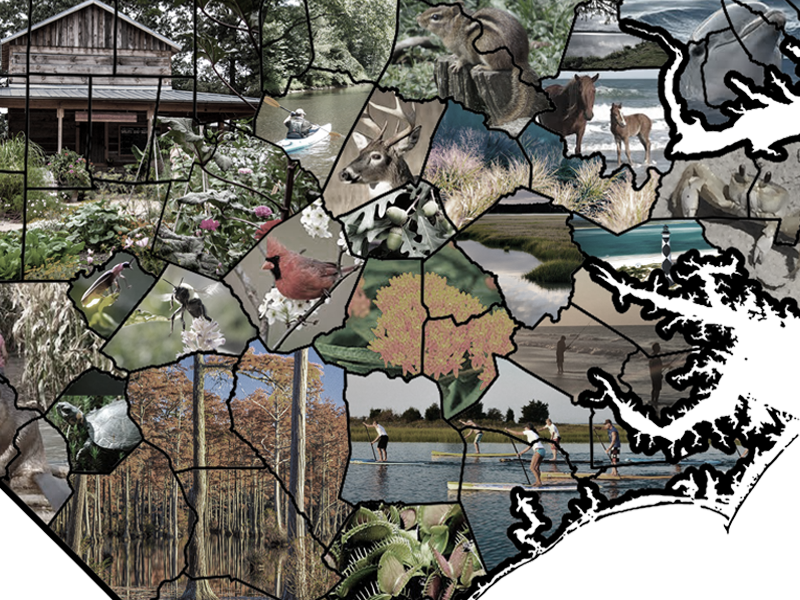
Sweeping across North Carolina from the mountains to the coast over the course of a week, each of NCASLA's five sections hosted an event featuring the Sustainable SITES® Rating System. Additional topics ranged from biomimicry and ecosystem services to landscape performance and metrics, highlighting innovation and partnerships across the state. The series connected a transdisciplinary audience through collaborative expert presentations and exemplary site tours.
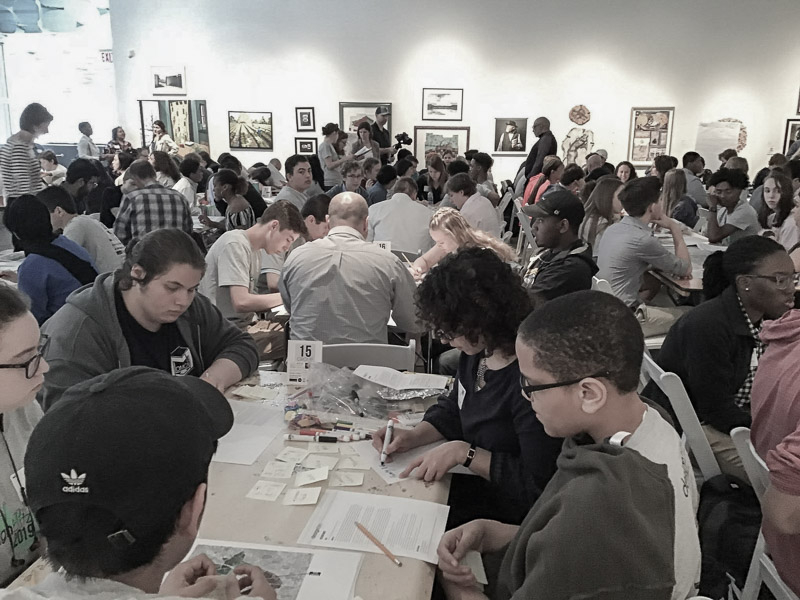
A day-long environmental design charrette bringing 130+ STEAM students from nine high schools together with professional design mentors to develop creative sustainable site design concepts for Dorothea Dix Park in Raleigh. Resulting student work was exhibited as part of a pop-up event at CAM Raleigh art museum during World Landscape Architecture Month.
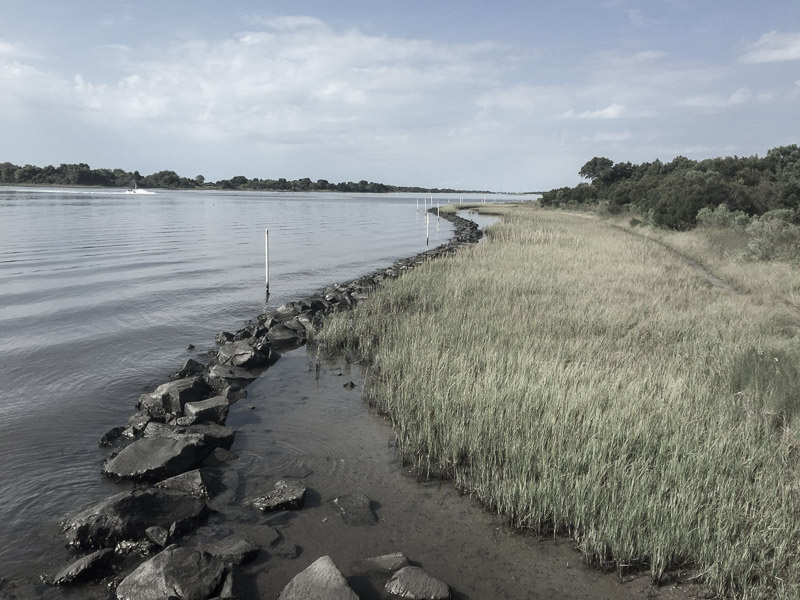
A full-day workshop on living shoreline design, coastal resiliency, FEMA flood mapping, and native planting, with presentations from coastal scientists, engineers, and ecologists, paired with a tour of the Morris Landing living shoreline and its five demonstration applications.
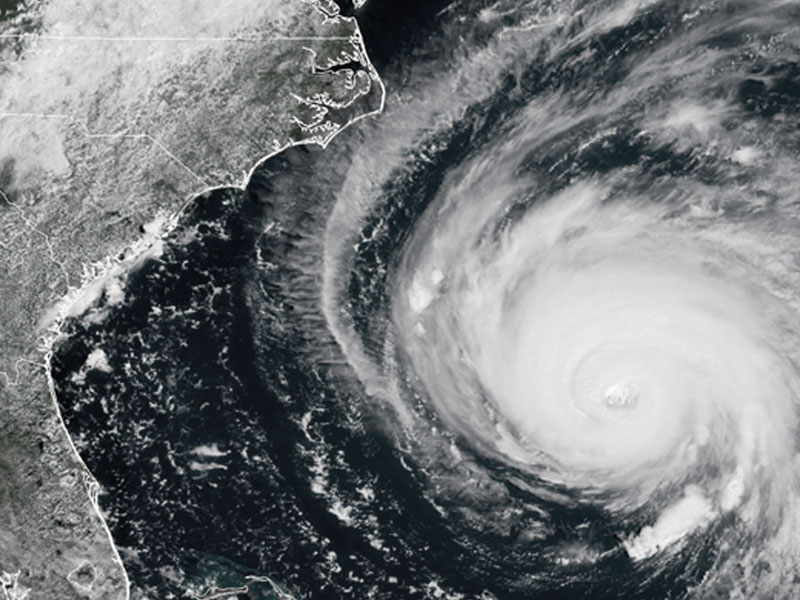
The chapter's signature evening event: a dinner, student expo, and expert panel on coastal climate adaptation. Presentations and discussion ranged from coastal climate science to resilient design, policy, and the economics of a changing coast, convening scientists, designers, planners, engineers, and policy experts, including the co-directors and students of the NC State University Coastal Dynamics Design Lab.